Where the legend began
The humble beginning
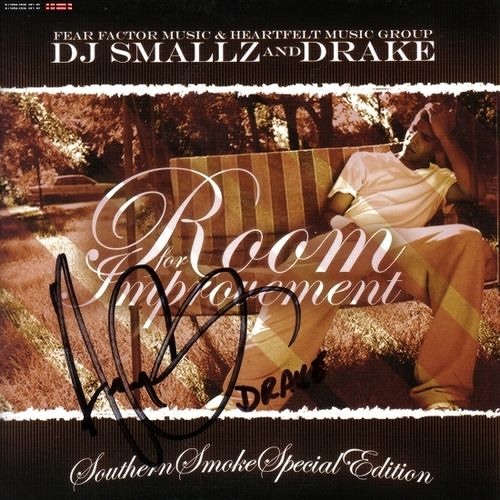
Drake's debut mixtape, released while still acting on Degrassi. Independently funded and distributed approximately 6,000 physical copies in Toronto. Showcased early potential but lacked the polish of later work. Featured Toronto artists and established local buzz.
First glimpse of Drake as an artist. Showed ambition but was rough around the edges. Connection with Trey Songz helped gain credibility. Lil Wayne feature foreshadowed future relationship. Mostly forgotten by casual fans but important for die-hards.
Building momentum
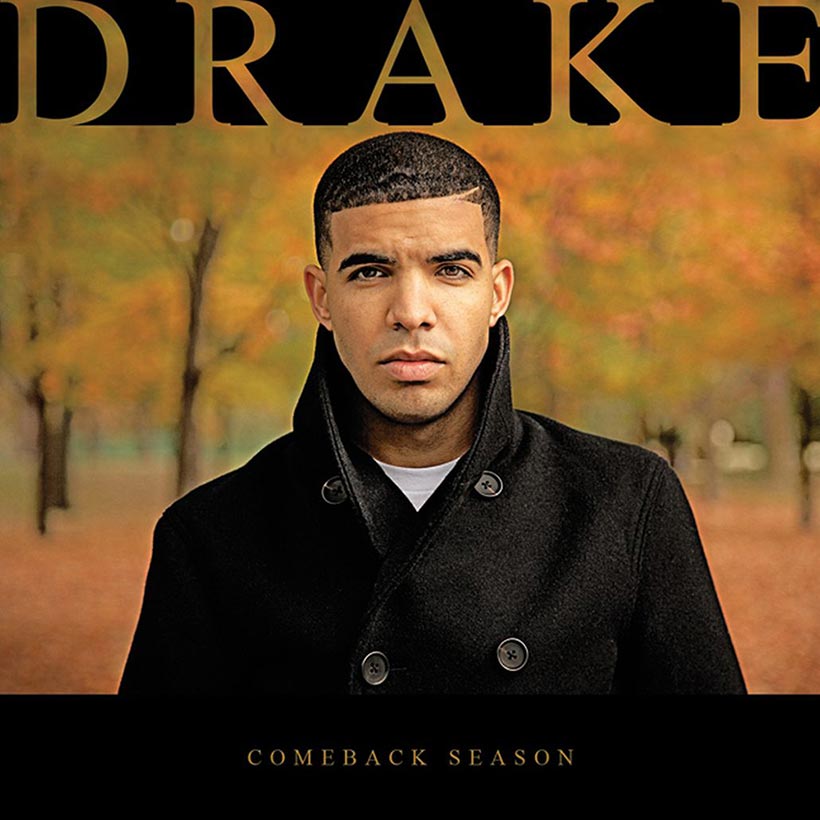
Sophomore mixtape showed significant growth. "Replacement Girl" featuring Trey Songz became the first song by an unsigned Canadian rapper to appear on BET's 106 & Park. Proved Drake wasn't a one-off and built momentum toward So Far Gone.
"Replacement Girl" broke through nationally. Drake's singing became more prominent. Showed artistic growth from Room for Improvement. Built anticipation for next project. Still unsigned but generating industry buzz.
The project that changed everything
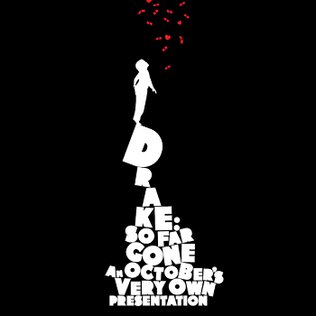
The project that changed everything. Released as free mixtape, became cultural phenomenon. "Best I Ever Had" reached #2 on Billboard Hot 100. Sparked bidding war among major labels. Established Drake's signature sound of emotional vulnerability and melodic rap. Later re-released as EP in 2019 for streaming.
Launched Drake into superstardom. Defined his artistic identity: atmospheric production (Noah "40" Shebib), emotional lyrics, blend of rap and singing. Created the template for his career. First unsigned artist to have music video on BET. Led directly to Young Money signing.
Considered one of greatest mixtapes of all time. Re-released on streaming (2019) for 10-year anniversary, debuted at #6 on Billboard 200. Proved the project's enduring appeal a full decade later.
Beyond the mixtapes
Drake became known for timestamp tracks released as loosies:
In February 2019, for the 10-year anniversary, So Far Gone was officially released to streaming platforms as an EP. This marked the first time many tracks were available on Spotify/Apple Music. The re-release debuted at #6 on the Billboard 200, proving the project's enduring appeal a full decade later.
Drake's three mixtapes (2006-2009) represent a perfect case study in artistic evolution. Room for Improvement showed raw potential. Comeback Season proved it wasn't a fluke. So Far Gone perfected the formula and launched a superstar.
The mixtape route allowed Drake creative freedom while building grassroots buzz. Unlike many artists who abandon their early work, Drake has consistently referenced and celebrated his mixtape era, understanding it as the foundation of his empire.
So Far Gone in particular changed the mixtape game - it proved that free projects could compete commercially with major label releases. This blueprint influenced countless artists in the 2010s who used mixtapes (and later SoundCloud/streaming) to break into the industry.
The emotional vulnerability, atmospheric production, and genre-blending present in So Far Gone became Drake's signature and influenced an entire generation of hip-hop and R&B artists.